
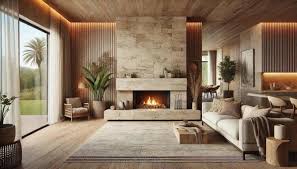
Travertine is a natural stone formed by mineral deposits from hot springs and limestone-rich waters. Its unique texture, warm tones, and subtle patterns make it a popular choice for both traditional and modern home interiors. Homeowners often select Travertine for flooring, countertops, backsplashes, and outdoor spaces because it offers a timeless look and complements a variety of design styles.
Where can travertine be used in the home?
Travertine is highly versatile. It can be used indoors and outdoors, including living rooms, kitchens, bathrooms, hallways, patios, and pool areas. Its natural beauty adds elegance to floors, walls, and fireplace surrounds. Outdoor travertine is slip-resistant and durable, making it ideal for patios, walkways, and pool decks. It can also be incorporated into garden paths or exterior cladding to enhance curb appeal.
How does travertine compare to other natural stones?
Travertine is softer and more porous than granite or marble, giving it a unique texture and appearance. Its warm earth tones and natural veining create a distinct aesthetic that many homeowners prefer over other stones. Unlike marble, which can be very shiny, travertine has a matte or honed finish that provides a more subtle, natural look. With proper sealing and care, travertine is long-lasting and highly durable, making it suitable for high-traffic areas.
Is travertine maintenance difficult?
Maintaining travertine is relatively simple. Regular sweeping and damp mopping help keep dust and dirt from accumulating. Periodic sealing protects the stone from stains and moisture, especially in kitchens and bathrooms. Travertine is prone to scratching if heavy objects are dragged across its surface, but minor scratches can often be polished out. Overall, with basic maintenance, travertine can retain its beauty for decades.
What finishes are available for travertine surfaces?
Travertine comes in several finishes to suit different design preferences. Polished travertine provides a glossy, reflective surface that highlights the stone’s natural patterns. Honed travertine has a matte finish for a more understated look. Tumbled travertine offers a rustic, aged appearance, ideal for patios or vintage-inspired interiors. Brushed or chiseled edges add texture and depth to tiles, countertops, and pavers.
Is travertine suitable for high-moisture areas?
Yes, travertine is suitable for bathrooms, showers, and kitchen backsplashes when properly sealed. The sealing process prevents water absorption and reduces the risk of stains or discoloration. For shower floors or pool surrounds, a honed or textured finish is recommended to prevent slipping. Travertine can withstand humidity and temperature changes, making it a reliable choice for wet environments.
How does travertine enhance home value?
Travertine’s natural beauty and durability make it a valuable investment. Homes with travertine flooring, countertops, or outdoor spaces often appeal more to buyers due to the luxurious yet timeless appearance of the stone. Its ability to complement different architectural styles—from modern to Mediterranean—ensures it remains a desirable feature that adds both aesthetic and resale value.
Can travertine be customized for unique designs?
Absolutely. Travertine can be cut into various shapes, sizes, and patterns to create custom floors, walls, or outdoor layouts. Mosaic tiles, herringbone patterns, and large slabs allow homeowners and designers to tailor the stone to specific design visions. Its natural variations in color and veining ensure that each installation is unique, giving homes a personalized and elegant touch.
Is travertine environmentally friendly?
Travertine is a natural material, and its extraction has a relatively low environmental impact compared to synthetic alternatives. It is durable, reducing the need for replacement, and can be reused or repurposed in renovations. Using travertine in home design not only brings natural beauty indoors but also supports sustainable building practices.
Why should homeowners consider travertine for their next project?
Travertine combines aesthetic appeal, versatility, and strength. Its warm tones, natural textures, and timeless elegance make it suitable for virtually any home design style. With proper care, travertine remains durable and long-lasting, enhancing both the beauty and value of living spaces. Whether used indoors or outdoors, travertine offers a natural, sophisticated solution for homeowners seeking to elevate their home design.