
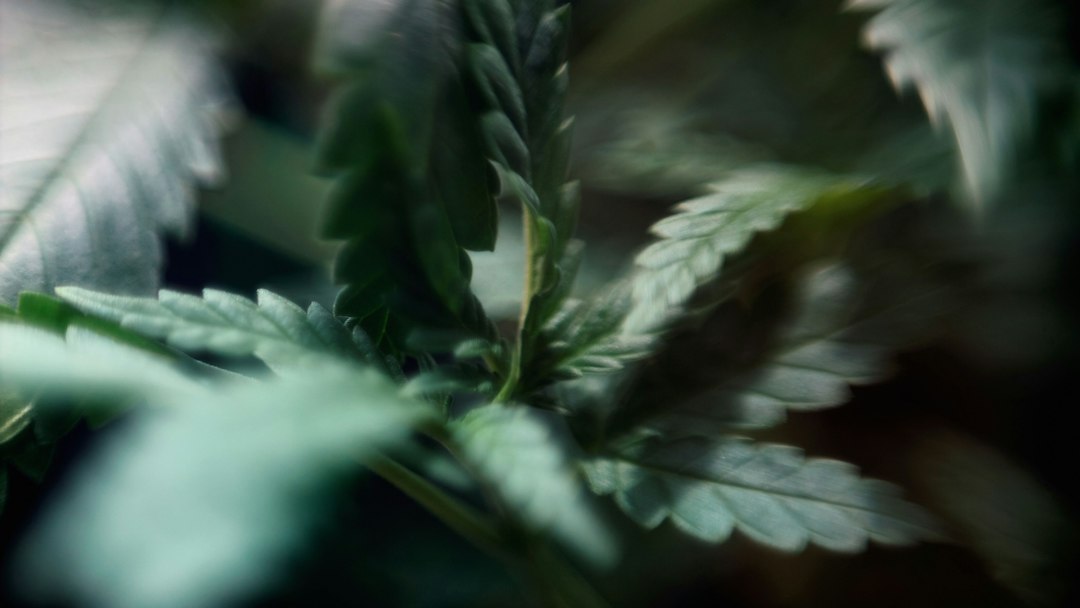
Cannabis shopping often involves terminology that can seem unfamiliar to new consumers. Among the most commonly recognized terms, Indica vs sativa provides a traditional framework for describing broad cannabis categories. While these labels do not capture every characteristic of modern cultivars, understanding their meaning alongside terms such as hybrid, cannabinoid, terpene, cultivar, and flower can make product descriptions easier to interpret.
In This Article
- What Does “Indica” Mean in Cannabis Terminology?
- How Is “Sativa” Used in Product Language?
- What Does “Hybrid” Tell Shoppers?
- What Is a Cultivar?
- What Are Cannabinoids?
- Why Do Shoppers See Terpene Names?
- What Does “Dominant” Mean?
- How Does “THC Percentage” Differ From “CBD Percentage”?
- What Does “Flower” Mean?
- Why Is Product Language Important?
- How Can New Shoppers Read Product Descriptions More Easily?
- Conclusion
What Does “Indica” Mean in Cannabis Terminology?
Indica is a traditional botanical term associated with cannabis plants that generally have shorter, more compact growth patterns. These plants typically feature broader leaves and dense branching.
Within cannabis shopping language, indica may also appear as “indica-dominant,” indicating that a product has genetics that lean toward traditionally indica-associated characteristics. This terminology gives shoppers a basic reference when reviewing product descriptions.
How Is “Sativa” Used in Product Language?
Sativa traditionally refers to cannabis plants associated with taller growth structures and narrower leaves. Their more elongated form provides a contrast to the compact structure traditionally connected with indica.
On product menus, shoppers may encounter terms such as “sativa-dominant.” This generally indicates that the product’s genetic profile has a stronger connection to sativa-associated lineage.
What Does “Hybrid” Tell Shoppers?
Hybrid is an important term in modern cannabis shopping. It generally describes varieties created by combining genetics from different cannabis lineages.
A hybrid can express characteristics associated with either traditional category or a combination of both. Because modern breeding has produced extensive genetic diversity, hybrid products make up a significant part of the broader cannabis selection.
What Is a Cultivar?
The word “cultivar” is increasingly used when discussing individual cannabis varieties. It refers to a cultivated plant variety selected for particular characteristics.
In shopping terms, cultivar information can provide more specificity than simply using indica or sativa. It can help distinguish individual varieties based on genetics, aroma, cannabinoid composition, terpene expression, and other characteristics.
What Are Cannabinoids?
Cannabinoids are naturally occurring compounds found in cannabis. THC and CBD are among the most familiar names shoppers encounter on product labels.
Cannabinoid percentages or concentrations can provide measurable information about a product. This makes them an important part of understanding a product profile beyond its traditional classification.
Why Do Shoppers See Terpene Names?
Terpenes are aromatic compounds that contribute to the scent and flavor of cannabis. Product descriptions may identify individual terpenes or provide a broader profile.
Names such as limonene, myrcene, pinene, and caryophyllene are commonly encountered in cannabis terminology. Understanding these terms can help shoppers connect product descriptions with specific aromatic and flavor characteristics.
What Does “Dominant” Mean?
Words such as “indica-dominant” or “sativa-dominant” generally describe the direction of a product’s genetic characteristics. They do not necessarily indicate that the product contains only one type of cannabis lineage.
This terminology is particularly useful for hybrid products, where genetics from multiple backgrounds can contribute to the final characteristics.
How Does “THC Percentage” Differ From “CBD Percentage”?
THC and CBD are separate cannabinoids, so their percentages describe different aspects of a product’s chemical composition.
Looking at both values can provide more information than relying solely on the product’s indica, sativa, or hybrid classification. For shoppers comparing several products, cannabinoid percentages offer a straightforward way to examine measurable differences.
What Does “Flower” Mean?
Flower refers to the dried and cured flowering portion of the cannabis plant. It is one of the most recognizable product formats and can be evaluated through appearance, aroma, texture, and cannabinoid information.
Terms such as “dense,” “aromatic,” “fragrant,” or “trichome-rich” may appear in descriptions to communicate visual and sensory characteristics.
Why Is Product Language Important?
Understanding cannabis terminology can make shopping more straightforward. A product label may contain several layers of information, from genetic classification to cannabinoid content and terpene characteristics.
Rather than interpreting one term in isolation, shoppers can consider the complete description. This creates a clearer picture of what differentiates one product from another.
How Can New Shoppers Read Product Descriptions More Easily?
A useful approach is to identify the product’s broad category first, then review its cultivar information, cannabinoids, terpenes, format, aroma, and flavor characteristics.
This method turns unfamiliar terminology into practical information. With repeated exposure, shoppers can become more comfortable recognizing the language used throughout the cannabis market.
Conclusion
Understanding cannabis shopping language can make product exploration more accessible and informative. Indica and sativa remain familiar traditional classifications, while terms such as hybrid, cultivar, cannabinoid, terpene, dominant, and flower provide additional detail. By learning how these terms relate to one another, shoppers can read product descriptions more confidently and develop a clearer understanding of the diverse cannabis options available through today’s market.
At a Glance
- Indica refers to cannabis plants with shorter, compact growth patterns and broader leaves.
- Sativa is associated with taller cannabis plants that have narrower leaves and elongated growth structures.
- Hybrid products are created by combining genetics from different cannabis lineages, and they can exhibit characteristics of both indica and sativa.
- Cannabinoids, such as THC and CBD, are naturally occurring compounds that provide measurable information about a cannabis product’s chemical composition.
- Terpenes are aromatic compounds in cannabis that contribute to its scent and flavor, with specific names indicating different aromatic characteristics.