
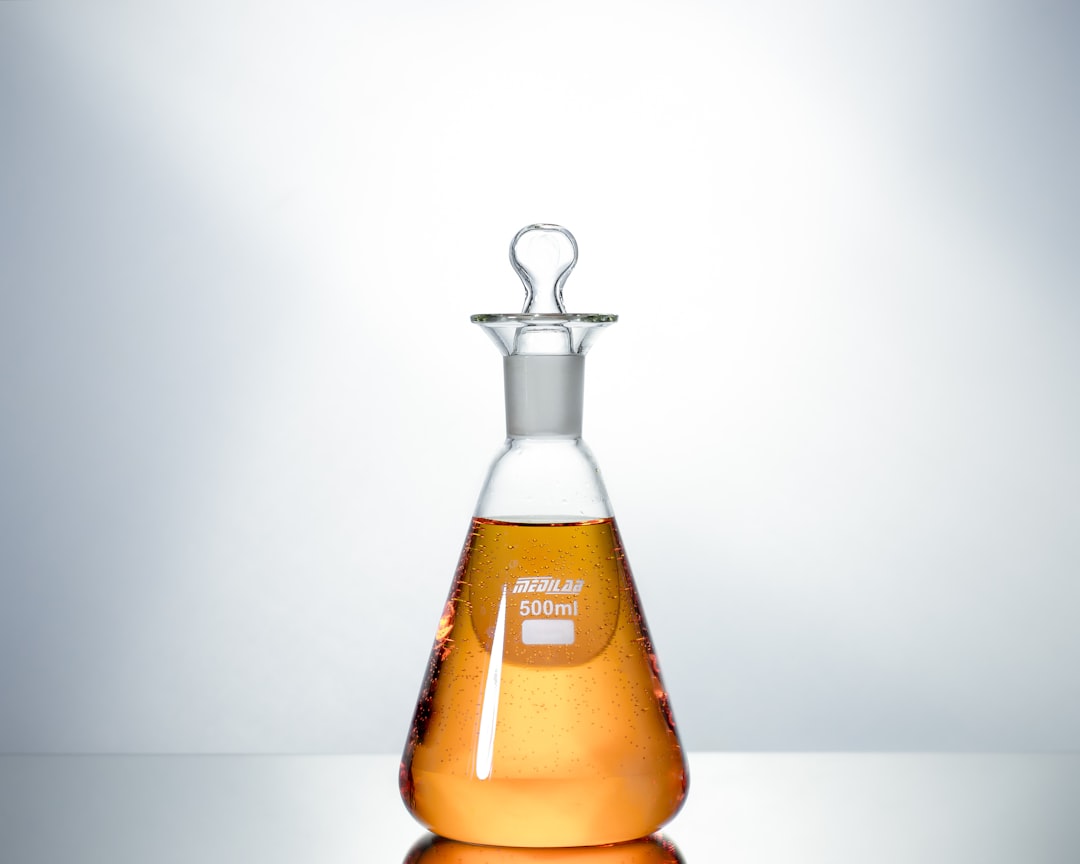
Synthetic urine is an artificially produced liquid designed to simulate certain physical and chemical characteristics of natural human urine. Such liquids can have ingredients including, but not limited to, urea, creatinine, salts, buffers, and other compounds necessary for urine-like composition. The synthetic urine has legitimate uses in laboratory research, education, instrument validation, and quality control.
The formulation of commercial synthetic urine products can vary substantially. The research of commercially available products revealed the presence of compounds designed to mimic certain characteristics assessed during specimen validity testing.
Applications of Artificial Urine
One major application of synthetic urine is laboratory quality control. It allows researchers to assess methods, instruments, and procedures of the test using artificial specimens without using solely authentic biological materials. It might be helpful in educational context where students need to study the process of urine assessment without using human samples.
Another application of synthetic urine is forensic toxicology since some products are marketed as specimen substitutes for the purpose of drug testing. Therefore, there is a great motivation to create more complex methods of distinction between artificial specimens and authentic human urine.
Identification of Synthetic Urine by Laboratories
Conventional specimen validity testing evaluates such parameters as specimen temperature, creatinine, pH, specific gravity, and oxidants. Nevertheless, research proved that some artificial urine samples can match certain characteristics sufficiently well to require further assessment.
Modern approach includes analyzing naturally occurring biomarkers, which are naturally found in human urine and are different or missing in artificial specimens. According to the 2026 study, biomarkers including urea, uric acid, amylase, and gamma-glutamyltransferase provide additional data for assessment of suspicious specimen.
A recently published study showed that microscopic examination of the sample helps to differentiate artificial specimens from human ones since human urine usually contains biological material, while artificial specimens lack it.
Choosing Synthetic Urine for Legitimate Uses
If one requires synthetic urine for laboratory uses or training, one must consider the composition, consistency, storage requirements, quality control information, and compatibility with the specific laboratory process. Technical specifications are generally more useful than advertising statements.
One must also understand that synthetic urine is not identical to a true clinical specimen. The properties of the urine will vary depending on its formulation, and not all of them will behave similarly during the analytical process.
Final Words
Synthetic urine may have many legitimate uses, including laboratory research, education, equipment testing, and quality control. However, the development of specimen validity testing makes it possible to analyze artificial specimens with more advanced methods of analysis and biological markers.
For a legitimate use, selection based on technical specifications and intended use is a better choice than choosing a specific formula said to defeat drug tests.
At a Glance
- Synthetic urine is designed to simulate the physical and chemical characteristics of natural human urine and contains ingredients such as urea and creatinine.
- Legitimate uses of synthetic urine include laboratory research, education, instrument validation, and quality control.
- Some commercial synthetic urine products are formulated to mimic characteristics evaluated during specimen validity testing for drug testing purposes.
- Conventional specimen validity testing evaluates factors like specimen temperature, creatinine, pH, and specific gravity to identify synthetic urine.
- Research has shown that microscopic examination of samples can differentiate artificial urine from human urine due to the absence of biological material in artificial specimens.
- When selecting synthetic urine for legitimate purposes, one should focus on technical specifications rather than marketing claims.